
In an era of quick-fix detox teas and miracle supplements, genuine health often gets lost in the noise. The truth is stark yet empowering: chronic diseases—from obesity and diabetes to heart disease and cognitive decline—are largely preventable not by pills, but by foundational dietary and lifestyle approaches.
This article explores evidence-based strategies to recalibrate your daily habits. You will learn how integrated nutrition and behavioral changes can reverse disease risk, boost mental clarity, and extend your healthspan, not just your lifespan.
Why Diet and Lifestyle Synergy Matters
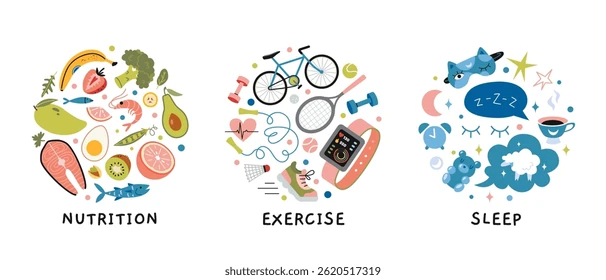
Isolated dietary changes rarely stick. A low-carb diet fails if stress drives you to sugar. A workout routine falters under chronic sleep deprivation. The magic lies in synergy. When dietary quality, physical activity, stress management, and sleep hygiene align, they create a biological environment where healing and efficiency thrive.
Research from the Global Burden of Disease Study confirms that poor diet and physical inactivity are the top two risk factors for premature death worldwide. The good news? Both are 100% modifiable.
Pillar 1: Foundational Dietary Approaches (Beyond Calorie Counting)
Modern nutritional science has moved past fat-phobia and carb-paranoia. Effective dietary approaches focus on food quality, timing, and diversity.
1. Prioritize Whole, Single-Ingredient Foods
Processed foods are engineered to be hyper-palatable, disrupting satiety signals. A sustainable approach minimizes:
- Refined grains (white bread, pastries)
- Added sugars (soda, flavored yogurts)
- Industrial seed oils (soybean, corn, canola oils in ultra-processed snacks)
Instead, build plates around:
- Lean proteins (eggs, fish, poultry, legumes) – support muscle mass and metabolic rate.
- Fiber-rich carbohydrates (quinoa, sweet potatoes, oats, lentils) – feed gut microbiota and stabilize blood sugar.
- Healthy fats (avocado, olive oil, nuts, fatty fish) – reduce inflammation and support hormone production.
2. The Mediterranean Diet: Gold Standard
Decades of trials (including the PREDIMED study) rank the Mediterranean dietary approach highest for cardiovascular and cognitive protection. Core components:
- Abundant vegetables, fruits, nuts, seeds
- Whole grains and legumes
- Fish at least twice weekly
- Olive oil as primary fat
- Low to moderate dairy and red wine (optional)
- Minimal red or processed meats
3. Intermittent Fasting (Time-Restricted Eating)
Not a diet but an eating pattern. Time-restricted eating (e.g., 16:8 method – 16 hours fasting, 8 hours eating) improves insulin sensitivity, cellular repair (autophagy), and circadian alignment. Best for individuals without eating disorder histories or blood sugar instability.
4. Personalized Nutrition
Emerging research shows responses to foods vary based on genetics and gut microbiome. Simple personalization: use a continuous glucose monitor (trial) or symptom journal to see how dairy, gluten, or high-carb meals uniquely affect your energy and digestion.
Pillar 2: Lifestyle Approaches That Amplify Dietary Efforts
You can eat perfectly and still be metabolically unhealthy if your lifestyle undermines your physiology. These four lifestyle approaches are non-negotiable.
1. Strategic Physical Activity (NEAT + Structured Exercise)
The Non-Exercise Activity Thermogenesis (NEAT) —all movement outside sleeping, eating, or sports—often determines long-term weight maintenance more than gym workouts.
Action steps:
- Daily NEAT: Aim for 8,000–10,000 steps. Use a standing desk, take walking meetings, park farther away.
- Resistance training (2–3x/week): Preserves muscle mass (your metabolic currency). Bodyweight, free weights, or bands all count.
- Zone 2 cardio (150 mins/week): Brisk walking, jogging, cycling at a conversational pace. Boosts mitochondrial health.
2. Sleep Hygiene: The Metabolic Regulator
Sleep deprivation increases ghrelin (hunger hormone) by 15% and decreases leptin (fullness hormone) by 15%, driving cravings for high-calorie foods. A consistent lifestyle approach:
- 7–9 hours nightly, with consistent sleep/wake times (including weekends)
- Dark, cool bedroom (18–20°C / 65–68°F)
- No screens 60–90 minutes before bed (blue light disrupts melatonin)
- Morning sunlight exposure within 30 minutes of waking to anchor circadian rhythm
3. Stress-Recovery Balance (Parasympathetic Activation)
Chronic cortisol elevation from work, relationships, or information overload increases abdominal fat storage, muscle breakdown, and blood pressure.
Effective daily practices:
- Box breathing (4 sec inhale, 4 sec hold, 4 sec exhale, 4 sec hold) – 5 minutes reduces cortisol.
- Nature exposure (20 minutes, 3x/week) – lowers sympathetic nervous system activity.
- Digital boundaries – no email or news in the first hour of waking or last hour before sleep.
4. Social Connection and Purpose
Loneliness is a proven mortality risk factor comparable to smoking 15 cigarettes daily. Social eating (family dinners, community potlucks) supports better food choices, while a sense of purpose lowers inflammatory markers.
Practical Implementation: The 30-Day Lifestyle Reset
Overhauling everything at once fails. Use this phased approach instead.
Week 1: Audit and Subtract
- Track without judgment: Use a simple app (or notebook) for 3 days to log food, sleep hours, steps, and stress peaks.
- Remove one ultra-processed food (e.g., soda, packaged cookies). Replace with a whole alternative (sparkling water with lemon, apple with almond butter).
Week 2: Add Nutrient Density
- The plate method: At lunch and dinner, fill ½ plate with non-starchy vegetables, ¼ with lean protein, ¼ with complex carb or legume.
- Hydration: Start each day with 16 oz water before coffee. Thirst often mimics hunger.
Week 3: Anchor Sleep and Movement
- Fixed bedtime: Choose a sleep window (e.g., 10:30 PM – 6:00 AM) and stick to it. Use an alarm for “wind-down” time.
- Post-meal walk: 10-minute walk after largest meal – lowers postprandial glucose by 20–30%.
Week 4: Stress and Social
- Micro-breaks: Every 90 minutes of work, 3 minutes of diaphragmatic breathing or stretching.
- Accountability partner: Share your goal (e.g., “no takeout on weekdays”) with a friend. Weekly 10-minute check-in.
Common Pitfalls (And How to Correct Them)
| Pitfall | Correction |
| “All or nothing” thinking (e.g., one donut ruins the day) | Practice the 80/20 rule: 80% compliant, 20% flexible. One donut is just a donut. |
| Ignoring portion sizes of healthy foods (nuts, avocado, olive oil) | Use hand measures: 1 thumb of fat, 1 palm of protein, 1 fist of carbs. |
| Sleeping late on weekends to “catch up” | Social jet lag disrupts metabolism. Keep wake time within 1 hour of weekday schedule. |
| Relying on willpower alone | Design your environment: Put junk food in opaque containers; keep fruit visible. |
The Role of Supplements: Necessary or Not?
Supplements often occupy a grey area between modern convenience and medical necessity. For the average person eating a varied, whole-foods diet rich in fruits, vegetables, lean proteins, and whole grains, supplements are typically unnecessary. Real food provides a complex synergy of vitamins, minerals, fiber, and phytonutrients that a pill cannot replicate.
However, supplements become crucial in specific scenarios. Certain populations have clinical needs that diet alone cannot address. For example, vegans often require B12, which is absent from plant sources. People with limited sun exposure need vitamin D, while pregnant women rely on folic acid to prevent birth defects. Additionally, conditions like celiac disease, gastric surgery, or osteoporosis often create documented deficiencies that require therapeutic dosages.
The danger lies in “blanket supplementation”—taking pills without a diagnosed need. Excessive iron or fat-soluble vitamins (A, D, E, K) can be toxic. Ultimately, supplements are tools, not substitutes. The most evidence-backed approach is to prioritize a nutrient-dense diet and use targeted supplements only to fill a confirmed gap. Consult a healthcare provider before starting any regimen; more is not always better.
Long-Term Sustainability: Making It a Lifestyle, Not a Project
The most effective dietary and lifestyle approach is the one you can maintain for decades. Strategies for longevity:
- Periodic “tune-ups”: Every 3 months, return to the 30-day reset for one week.
- Seasonal eating: Align meals with locally available produce – cheaper and more nutrient-dense.
- Flexitarian mindset: You don’t need a label (vegan, keto, paleo). Rotate dietary patterns based on health goals and enjoyment.
When to Seek Professional Help
These approaches are general recommendations. Consult a registered dietitian or physician if you have:
- Diagnosed eating disorder history
- Type 1 diabetes or insulin-dependent type 2 diabetes
- Kidney disease (needs modified protein and mineral intake)
- Unintentional weight loss or chronic gastrointestinal symptoms
Conclusion: Small Levers, Massive Outcomes
The pharmaceutical industry profits from managing symptoms. Real health—abundant energy, sharp cognition, stable mood, and freedom from chronic medication—comes from mastering dietary and lifestyle approaches. No single superfood or workout will save you. But the daily accumulation of whole foods, consistent movement, restorative sleep, and stress resilience will.
Start today with one small change: a 10-minute post-dinner walk, removing one sugary drink, or setting a consistent bedtime. Stack that habit for 66 days (the average time to automaticity). Then add another. Within a year, you will have transformed not just your body composition, but your entire biological trajectory.
Your genes are not your destiny. Your daily choices are.